ADAMANT Messenger internal modernization: upgrading the technical foundation
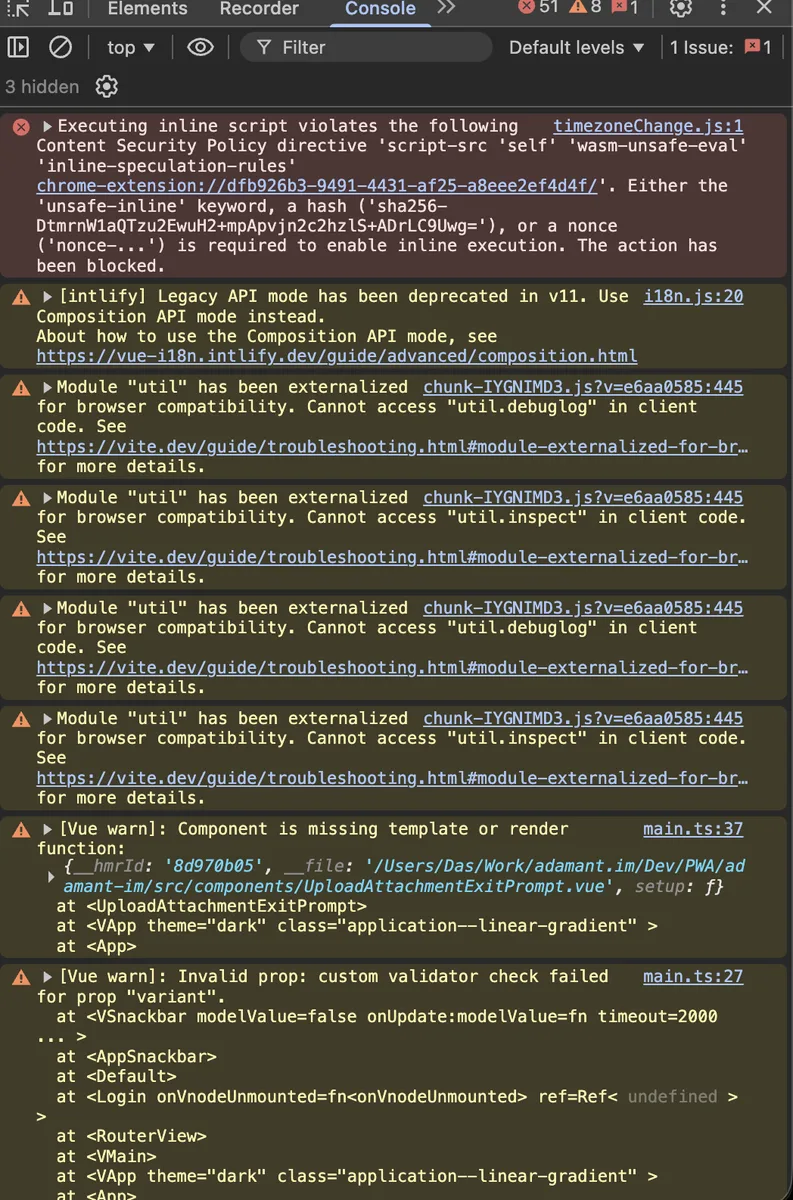
ADAMANT Messenger has completed a major internal modernization focused on upgrading the application’s technical foundation rather than adding user-visible features. The work addressed one of the most important long-term priorities for privacy-focused software: eliminating technical debt before it becomes a risk.
Why modernization matters
Over time, even well-maintained software accumulates outdated dependencies, deprecated APIs, and compatibility warnings. These issues may not immediately break functionality, but they create hidden fragility, increase the risk of future failures, slow down development, and make security-critical systems harder to maintain. For ADAMANT, which operates as a privacy-centric messenger with integrated wallet functionality, maintaining a modern and predictable codebase is essential.
Upgrading the application stack
The modernization effort upgraded the core development stack to current stable versions, including Vite, TypeScript, ESLint, Electron, Capacitor, and the Vue ecosystem. Dozens of dependencies were updated in total. These changes ensure compatibility with modern JavaScript standards, improve tooling reliability, and remove reliance on deprecated libraries. Obsolete dependency chains were also cleaned up, reducing complexity and improving long-term maintainability.
Eliminating warnings and hidden instability
A key goal was achieving clean and predictable builds. Since warnings are often early indicators of deeper problems, each one was investigated and resolved, including deprecated API usage, outdated configuration formats, and dependency conflicts. The result is a significantly cleaner build process across web, desktop, and mobile platforms, which improves development efficiency and reduces the likelihood of unexpected runtime issues.
Strengthening type safety and code reliability
Upgrading to modern TypeScript standards revealed areas where the codebase could be made safer and more robust. Improvements included fixing type validation issues, correcting edge-case handling, and ensuring compatibility with updated cryptographic and wallet-related libraries. Special care was taken to preserve all existing wallet and protocol behavior exactly as before — the internal improvements strengthened reliability without changing how the system works for users, which is critical for maintaining trust in a secure messaging platform.
Desktop and mobile infrastructure improvements
The Electron desktop environment was upgraded to align with modern operating system requirements and current security expectations. The build and signing processes were also improved, helping ensure smoother distribution and better long-term support.
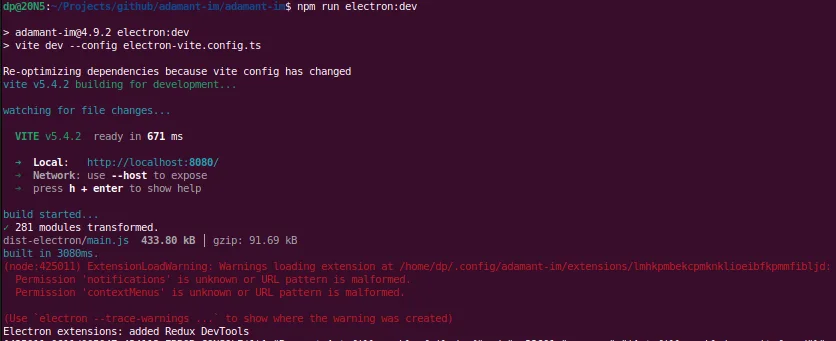
Mobile compatibility was preserved and updated through improvements in the Capacitor integration. These changes help ensure ADAMANT remains stable across all supported platforms.
Architectural cleanup and long-term maintainability
Beyond dependency updates, the internal architecture was improved to better align with modern development practices. Outdated patterns were replaced with supported alternatives, fragile integrations were removed, and internal structures were simplified. This makes the codebase easier to understand, safer to modify, and more resilient to future ecosystem changes — especially important for a project designed to operate for many years.
No user-visible changes, but significant internal gains
From the user perspective, everything works exactly as before: no interface changes, no new settings, and no workflow differences. Internally, however, the application is now significantly healthier. It builds more cleanly, runs more predictably, and is easier to maintain. This modernization establishes a strong foundation for future development, allowing new features to be built more safely and efficiently without fighting outdated infrastructure. For a privacy-focused messenger, this kind of internal stability is essential to remaining reliable, secure, and sustainable for the long term.