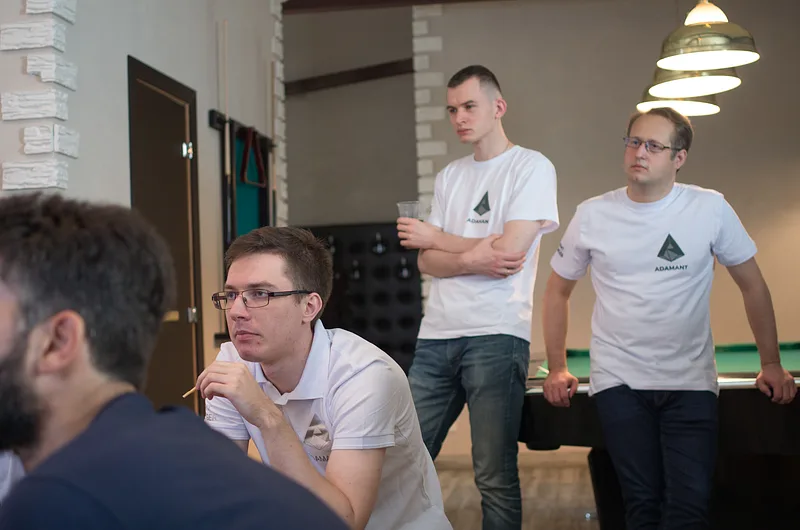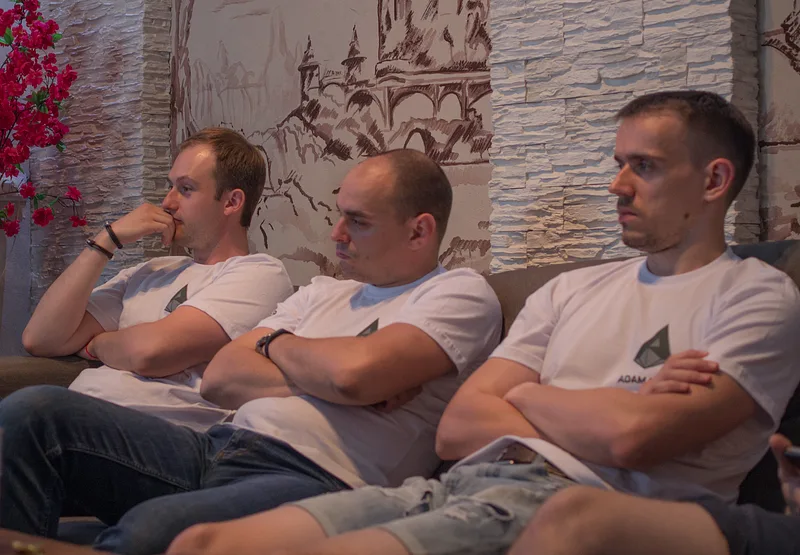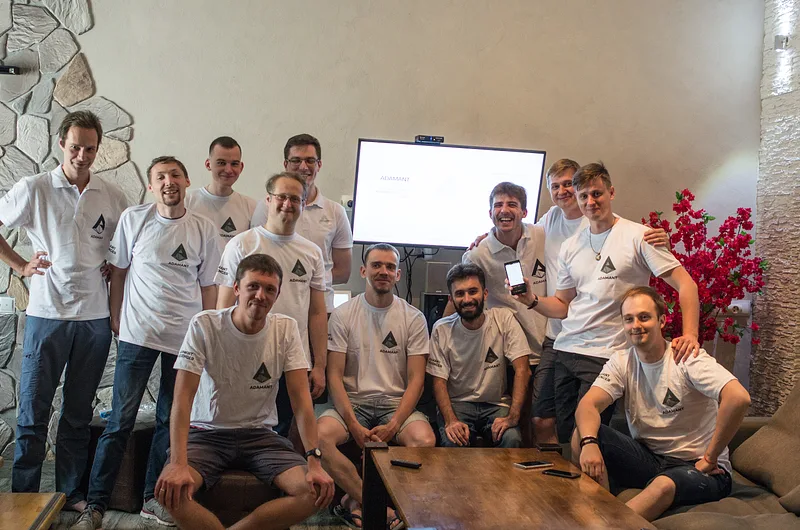
The ADAMANT team held an in-person meetup near Vladimir at the end of August to discuss the future of the messaging platform and prioritize upcoming roadmap tasks across several engineering tracks.
On the blockchain side, priorities include expanding test coverage for ADAMANT nodes and building a refined API for chats, peers, bootstrap, address book, and other KVS records, accompanied by AIP proposals for standardization. The team also plans research into group chats, closable chats, file storage on nodes, and evaluating which Lisk updates need to be backported.
Infrastructure work focuses on creating an ADM forging pool service, implementing monitoring and failure notifications, running security tests, reviewing code for vulnerabilities, and launching the first security contest.
For the progressive web application, the team is migrating to Vue 3.0 with UX speed improvements. Wallet integrations are planned for Binance Coin and ERC20 tokens, the latter supported by a dedicated GitHub repository for token lists. Additional PWA work includes transaction lists for Ethereum and Binance Coin, a refreshed tokens list design, optional password login with secure on-device storage, and an Electron desktop release targeting both the Windows Store and Mac App Store.
The iOS app is gaining Ethereum and Lisk integration for storing and transferring those assets, along with iPad layout adjustments, multi-account support, a welcome onboarding flow, migration to the new bootstrap and KVS API, in-message search, dark theme support, and avatar image generation. On Android, the first Material Design 2.0 version is in progress, with a public test build planned for Google Play.
Organizational tasks include listing ADM on additional exchanges, applying for fiat processing, pursuing a partnership with an information security company, identifying international conferences, contacting authors of messenger comparison articles, and recruiting regional representatives. Design efforts cover design guidelines, one-pager design, merchandising, and updated language translations.
Many of these tasks have already been implemented, with the remainder in active progress.