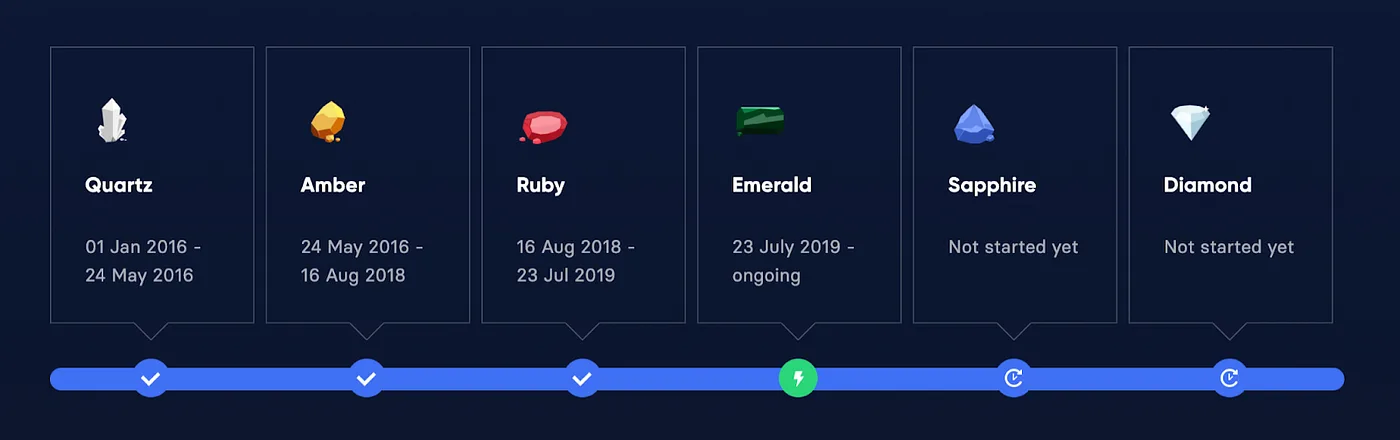
The Lisk platform entered its Sapphire development phase, introducing significant changes to the blockchain consensus. Because these changes are incompatible with the previous network, a hard fork occurred on August 21 at 10:00 UTC.
For users, if a Lisk wallet has at least one outgoing transaction, tokens are automatically available on the new network; otherwise, a manual transition is required. The LSK address format has changed from numeric strings (e.g., 2182456961562266629L) to alphanumeric strings (e.g., lskeksg4ajw48uq9srbfpg7e2upydraxn432v8g56). Transaction and block IDs have also been updated. Transfer fees shifted from a fixed 0.1 LSK to a floating rate of approximately 0.00146 LSK, significantly lowering costs. The network now enforces a minimum wallet balance of 0.05 LSK and can process roughly one million transactions per day, while maintaining a 10-second block time.
Public keys, private keys, and passphrases remain unchanged, and wallet initialization is no longer necessary. Second passphrases are preserved after the hard fork. However, all previous delegate votes have been dropped, requiring users to re-vote. The official Lisk block explorer has been discontinued, but third-party alternatives like lisk.observer are available.
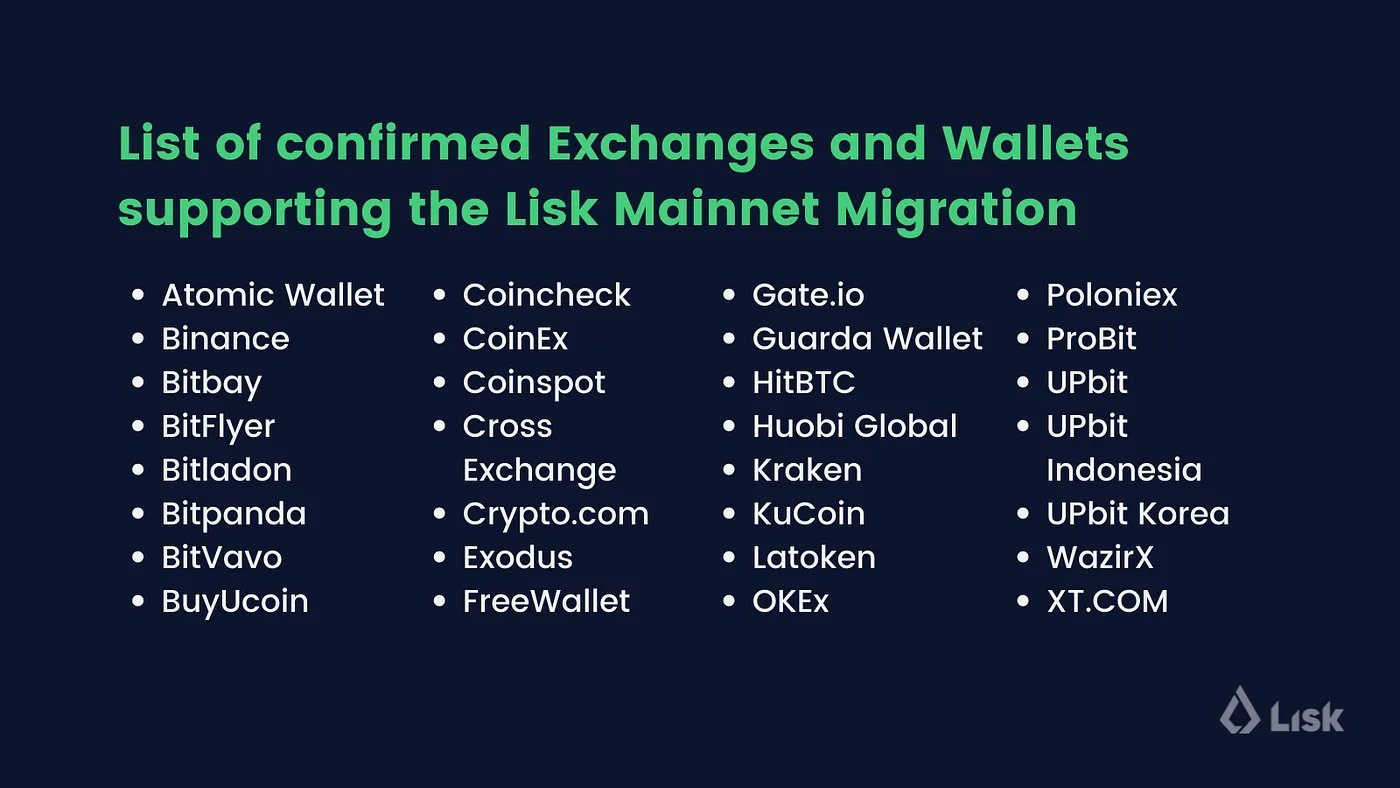
ADAMANT and Lisk Desktop are already compatible with the new blockchain. If tokens are held in a wallet that does not yet support the update, users can import their existing Lisk passphrase into Lisk Desktop. Tokens held on exchanges or hardware wallets require waiting for those platforms to complete their API migrations.
The Sapphire update improves network security and reliability, enables distributed applications, and prepares the platform for sidechain interaction, positioning Lisk alongside platforms like Ethereum and Cardano.
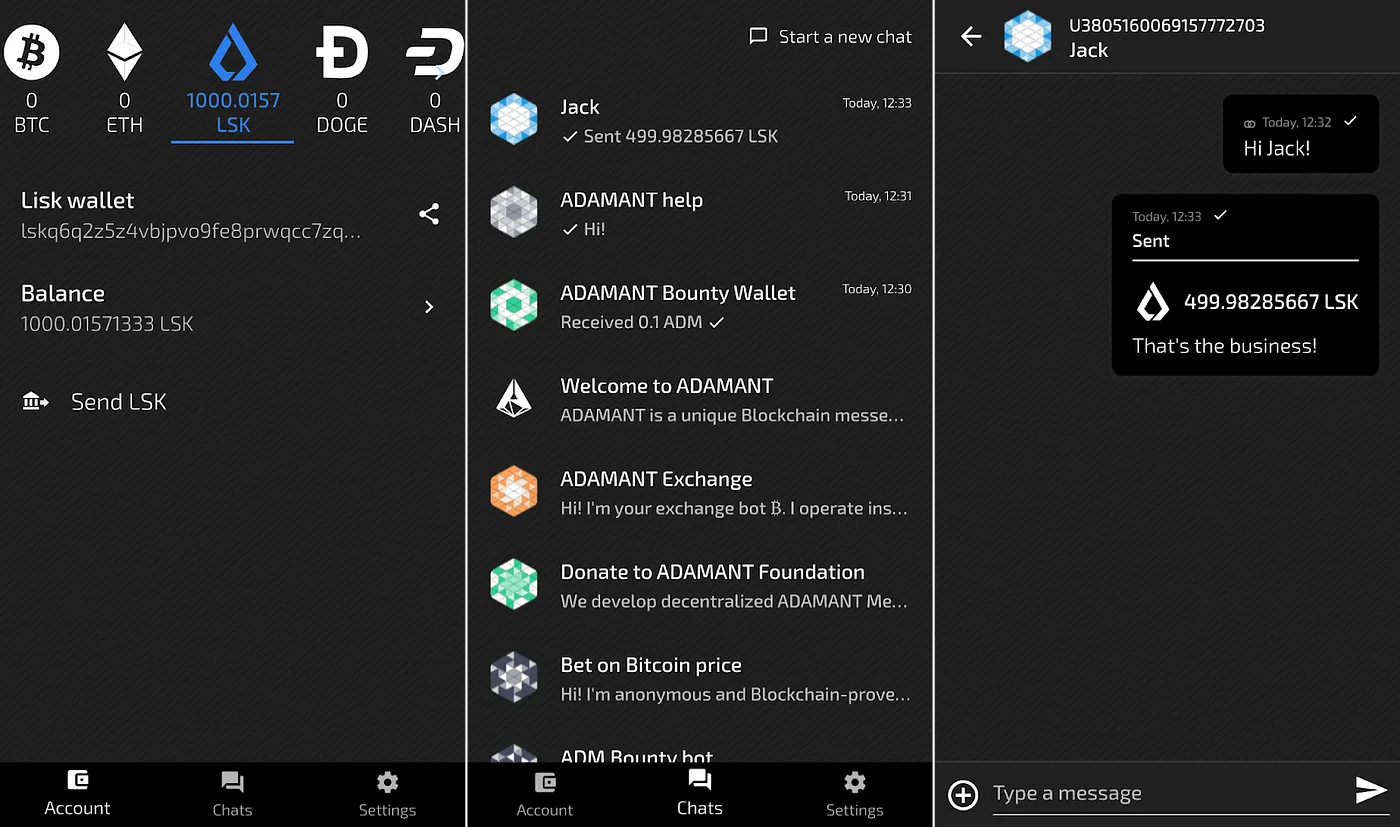
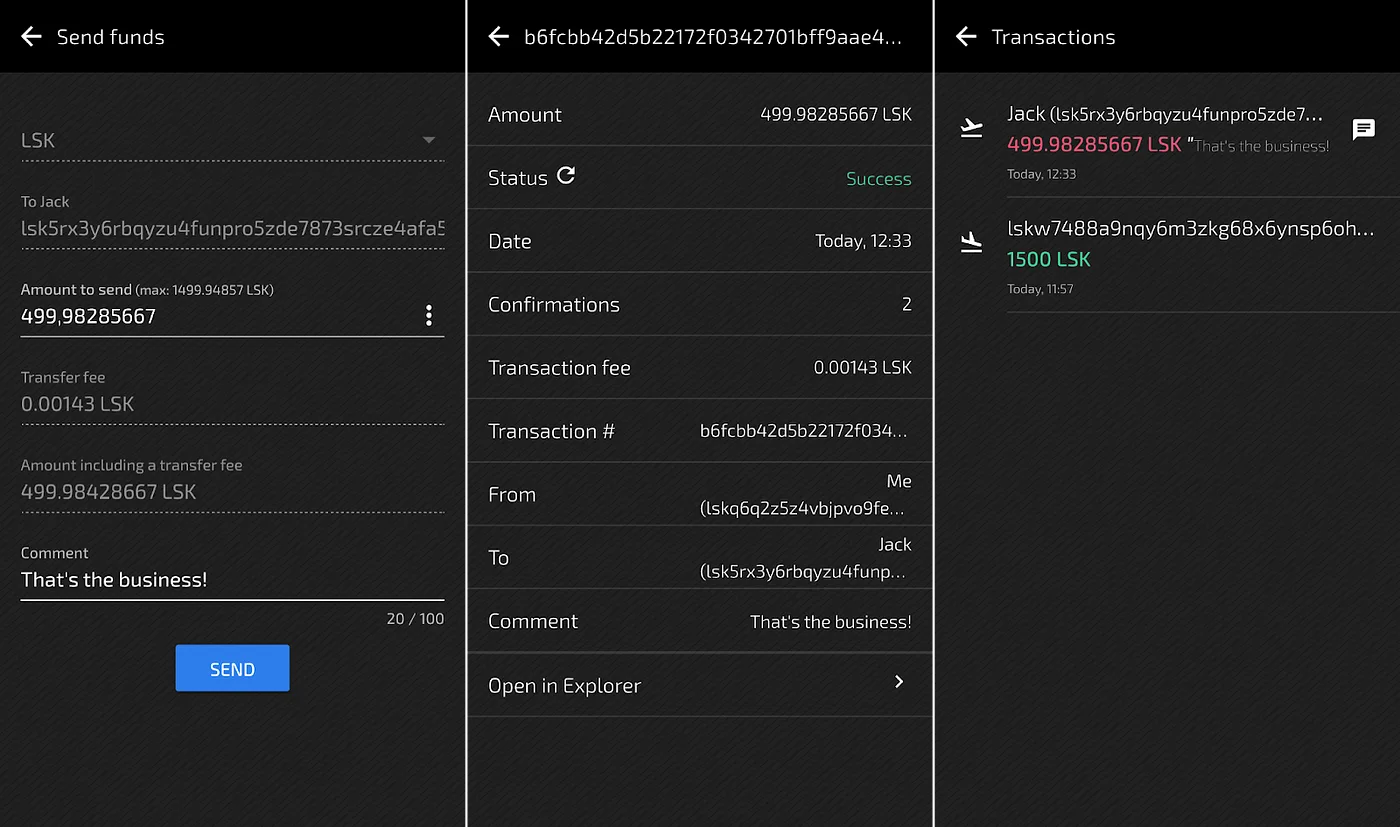
ADAMANT provides a compatible LSK wallet. When sending LSK within an ADAMANT chat, users can add an encrypted comment visible only to the recipient. Direct transfers to a Lisk wallet can include a public data message stored on the blockchain. The ADAMANT wallet is open source, allowing users to build from source and verify the code. Private keys never leave the user’s device, and a single passphrase grants access to all integrated crypto wallets. Users can export private keys for backup and access the wallet via Web, Tor, Android, and iOS clients.