Open source code means that anyone can examine in detail how a program works, with no secrets in its operations. The developer publishes the complete code—everything from UI details like colors and font sizes to the methods used for storing, encrypting, and decrypting information and handling communication.
Security of the information itself still depends on encryption and decryption methods. The critical difference is that with closed-source software, developers can quietly change the encryption method to gain access to transmitted data—for instance, routing decryption keys not only to the intended recipient but also to third parties such as intelligence services. With open source, any experienced reviewer who inspects the code would immediately notice such a compromise.
In recent years, the term “open source” has been applied loosely to modification platforms and developer ecosystems that have little to do with genuine openness and are often driven by commercial interests—boosting product popularity through third-party developer support. These marketing tactics benefit companies but do not increase trust among technically informed users, and sometimes erode it.
A telling example is when executives of multi-million-dollar services publicly argue about whose product is more secure, while neither publishes open source code. The media amplifies these disputes, which are ultimately driven by commercially interested parties rather than any verifiable security claim.
The solution to trust has never been hidden: evaluate products against your own standards of comfort and security, and disregard the media spectacles. You are never limited in choosing or rejecting a product.
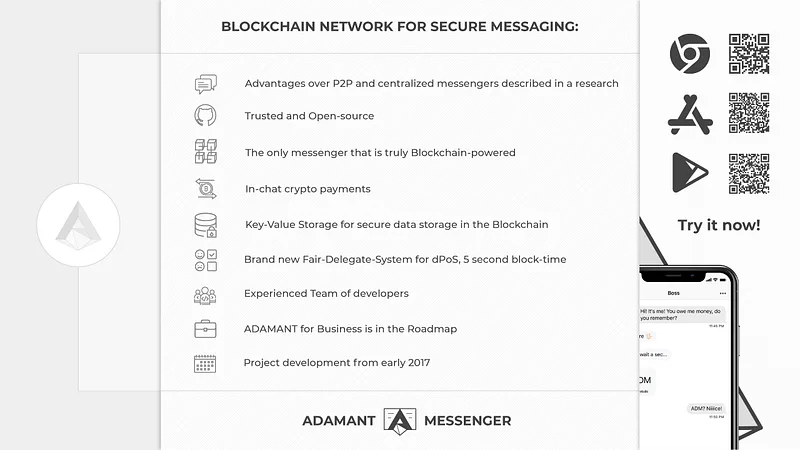
The traditional trade-off between comfort and security is also becoming less relevant. ADAMANT Messenger, for example, offers fully open source code alongside a polished interface, demonstrating that transparency and usability are not mutually exclusive.